Page 1 of 1
YS637 Carburetor Air Horn Question
Posted: Fri Jul 24, 2020 8:49 pm
by L84dinner
I am in the process of testing out a rebuilt L134 engine with a rebuilt YS637 carburetor. Engine starts fine but carburetor floods after a couple minutes of running.
I have been working through the troubleshooting guide as well as Wes's list to solve.
Fuel pump pressure is 6 1/2 psi at carburetor - I know this is higher than the spec of 4 1/2 to 5 psi. Is that difference material?
Float is is sealed - no cracks - no leaks
float setting is 1/4 inch per spec.
Float lip is smooth no burs or grooves
To see if the float needle is sealing I removed the air horn and tested float circuit by connecting it to the pump. I can stop the fuel flow when the float is raised to the proper position however fuel continues to pour through a small pinhole in bottom of the air horn casting that houses the inlet screen.
Is that pinhole a defect in my air horn casting or is it some form of minimum flow bypass?
Thanks,
John
Posted: Fri Jul 24, 2020 10:02 pm
by wesk
Have you read Chapter 9 in TM 9-1826A Dated 1952? After you read it perhaps you can better describe which port fuel continues to discharge from.
Posted: Sat Jul 25, 2020 8:33 am
by L84dinner
Thank you for responding Wes.
Yes I have downloaded TM9- 1826A and have not found any mention of this hole nor a figure showing it. In particular I would have expected it to be labeled in Figure 56 on the float circuit. Pinhole is located in the bottom of the casting that encloses the fuel inlet screen. Hopefully it is visible in the following photo of the base of the air horn casting. Its located at the transition of the first and second concentric cylindrical sections that enclose the strainer.
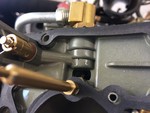
Again my thanks for your help.
Posted: Sat Jul 25, 2020 10:18 am
by mdainsd
That pin hole doesn't seem right. It looks to be so small that it might take a bit of time to overfill the float bowl.
I have an airhorn in my hand as I write this as one of todays tasks is to put together another M38 carb. There is no hole there in mine.
Posted: Sat Jul 25, 2020 7:56 pm
by wesk
I agree, I have not found any with a hole there. That 2 lbs over can move a lot gas thru that small hole. What is the reason for the unusually high fuel pressure?
Posted: Sun Jul 26, 2020 8:05 pm
by L84dinner
I rechecked pressure and confirmed its 6 1/2 psi. I noted I have motor oil in my fuel especially the first few strokes.
Looking through your archive now, Wes.
Thanks,
John
Posted: Mon Jul 27, 2020 1:54 am
by wesk
We need to ID your fuel pump and what thickness spacer do you have between it and your block?
Posted: Mon Jul 27, 2020 3:27 pm
by L84dinner
I have a rebuilt AC Series CU or CY fuel and vacuum pump (no primer handle) and I have a 9/16" thick spacer between pump and block.
Thanks,
John
Posted: Mon Jul 27, 2020 9:52 pm
by wesk
What is the 4 digit model number on the mount flange?
Posted: Tue Jul 28, 2020 2:06 pm
by L84dinner
Wes,
Four digits on flange are 9585.
Some photos of fuel pump installed for reference.
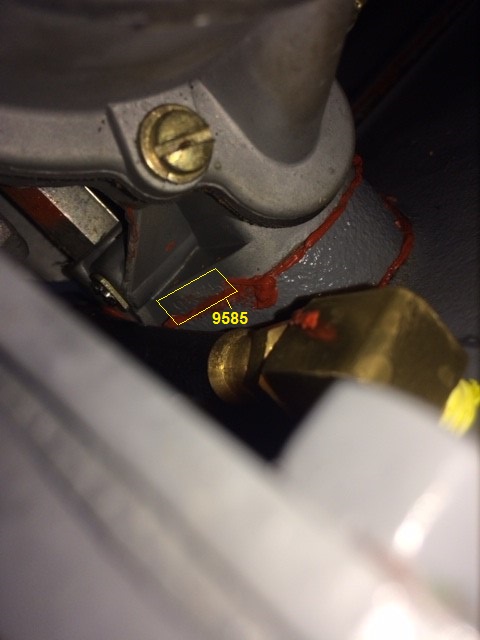
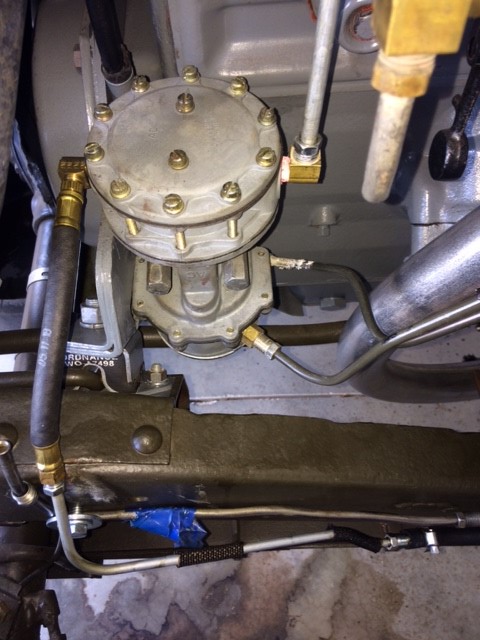
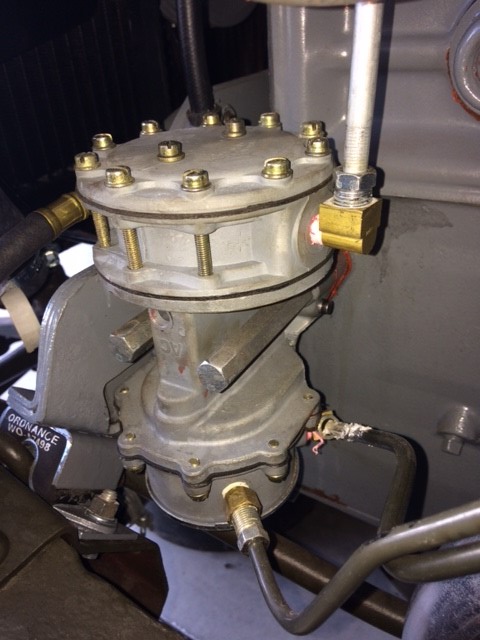
Thanks
Posted: Tue Jul 28, 2020 10:10 pm
by wesk
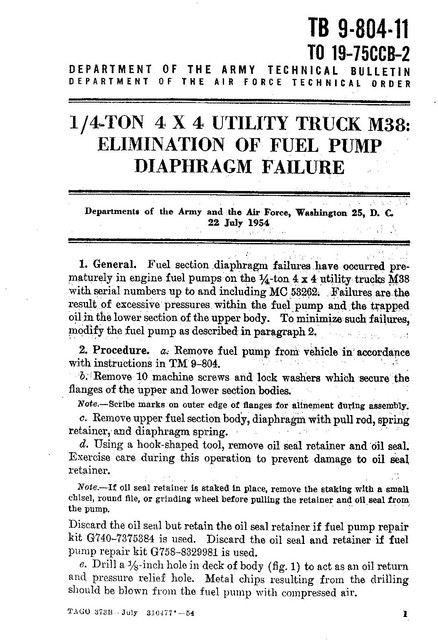
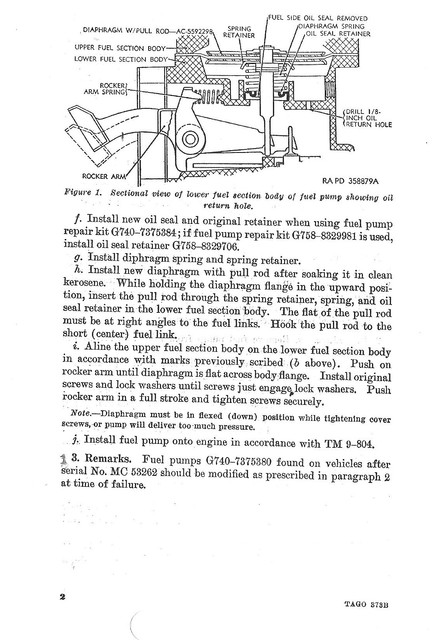
One of the first pumps used on the M38's up to engine sn MC74419. Correct pressure should be 4 - 5 1/4 PSI @ 1800 RPM. Full part numbers: AC# 1539585, WO# 800350 FSN 2910-737-5380 & ORD# 7375380 .
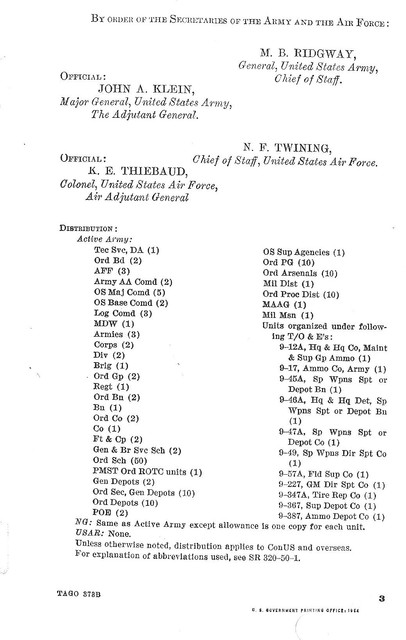
Are you certain this technical service bulletin has been complied with on your pump?
Posted: Tue Aug 04, 2020 9:09 pm
by L84dinner
Wes,
Thank you again for your assistance.
I disassembled the pump to see if the technical bulletin has been complied with. There is a 1/8" diameter hole drilled in the deck of the body and the oil seal has been removed.
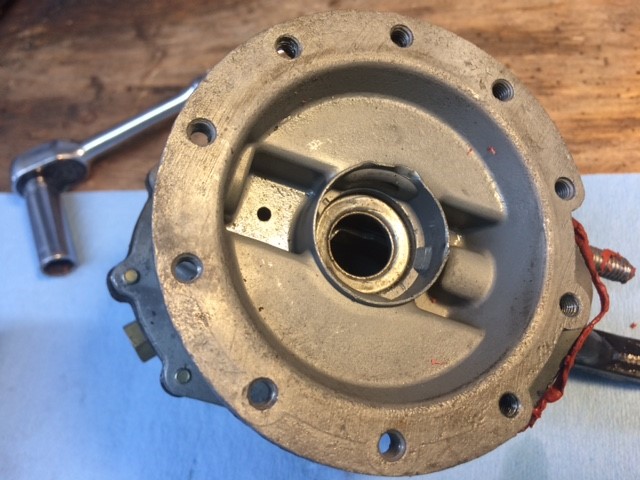
The diaphragm looks to be in good condition - no rips or cracks.
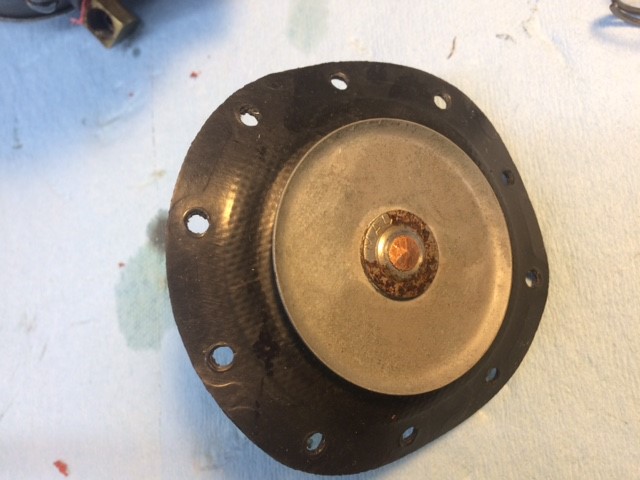
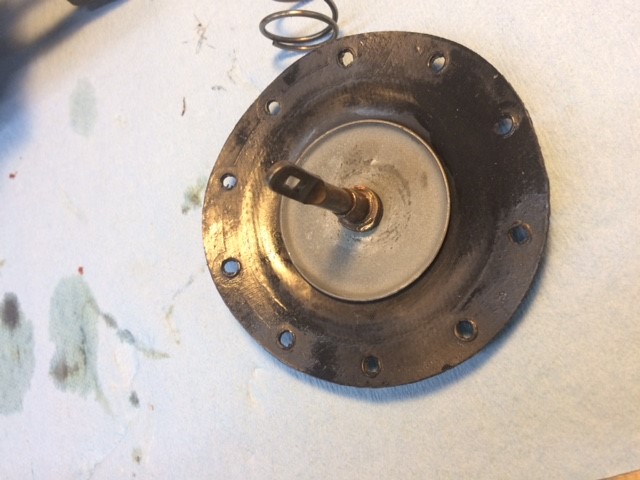
I noted the spring retainer was missing on the diaphragm side although I don't see how that would contribute to higher fuel pressure or oil drawn into fuel.
Last photo shows oil on fuel cover.
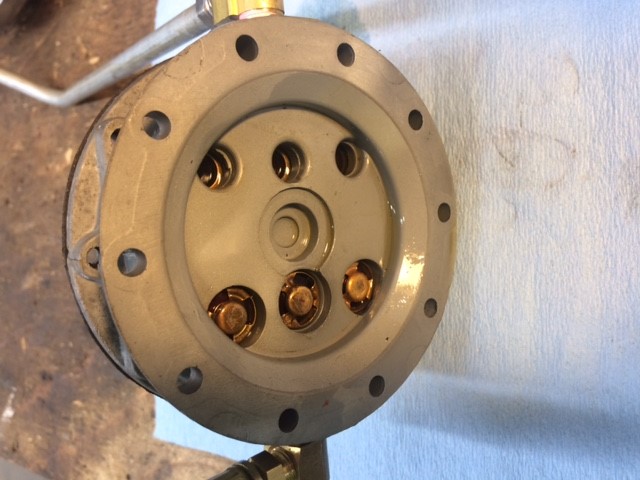
Your guidance welcome.
Thanks,
Posted: Mon Aug 17, 2020 3:19 pm
by L84dinner
Just wanted to follow up and state that I was able to effectively plug the pinhole in the airhorn and it now starts and runs smooth without further flooding. Still have not resolved the fuel pump pressure question although have confirmed rebuild was done correctly. I am going to check my gauge before I take any further action.
Thanks for the help.
John